


- Hassan Ibrahim
- 05 Feb, 2025
- Public Architecture
Benefits of Fabric Roof Structures for Public Spaces
Fabric roof structures have become a leading choice for modern public spaces because of their lightweight construction, unique architectural appeal, and superior shading performance. Whether used in parks, stadiums, bus stations, open plazas, or walkways, fabric roofs offer exceptional functionality and visual impact.
Designed using durable membrane materials such as PVC, HDPE, PTFE, and ETFE, these structures provide high UV protection, resistance to extreme temperatures, and excellent longevity. They allow natural daylight to filter through beautifully while minimizing heat buildup, creating bright yet comfortable outdoor environments.
Large public spaces benefit greatly from the wide span coverage of tensile fabric roofs. Their minimal structural support requirement makes them ideal for covering big areas without heavy steel columns or bulky frameworks—offering expansive clear space for public movement and activities.
Fabric roof structures combine beauty, durability, and climate protection—making public areas more usable, attractive, and community-friendly throughout the year.
Another major advantage is sustainability. Fabric membranes are lightweight, require less structural steel, and reduce construction-related carbon emissions. Their reflective nature helps keep ambient temperatures lower, making public spaces more energy-efficient and environmentally friendly.
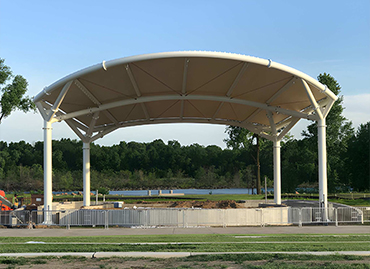
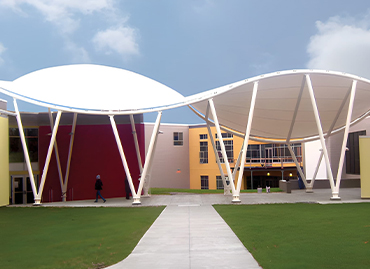
From enhanced user comfort to striking architectural forms, fabric roof structures uplift public spaces both aesthetically and functionally. Their durability, flexibility, and weather performance make them a long-lasting investment for cities, communities, and commercial developments seeking modern, sustainable shade solutions.