


- Sarah Noor
- 18 Jan, 2025
- Membrane Technology
How Membrane Materials Like PTFE & ETFE Improve Modern Shade Structures
Modern shading systems have evolved drastically with the introduction of high-performance membrane materials like PTFE and ETFE. These advanced materials are transforming tensile architecture—offering unmatched strength, exceptional heat resistance, and long-lasting performance even in extreme climates.
PTFE (Polytetrafluoroethylene) and ETFE (Ethylene Tetrafluoroethylene) stand out because they reflect large amounts of solar radiation while maintaining structural flexibility. This helps create shaded environments that stay significantly cooler, reduce glare, and offer pleasant natural lighting.
These membrane materials are widely used in stadiums, walkways, malls, parking structures, play areas, event spaces, and large public environments. Their lightweight nature and long lifespan make them ideal for both functional and iconic architectural designs.
PTFE and ETFE membranes don’t just look modern—they create cooler, brighter, and more durable shaded spaces built for today’s climate challenges.
ETFE offers up to 95% light transmission, making it ideal for bright yet shaded environments. PTFE, on the other hand, provides soft diffused daylight with remarkable thermal stability. Both materials are exceptionally durable and can withstand heavy winds, UV exposure, and temperature extremes without losing strength.
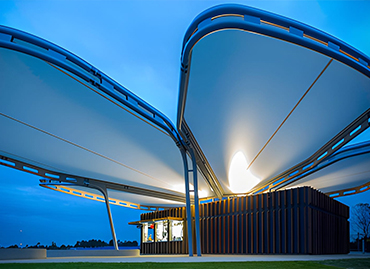
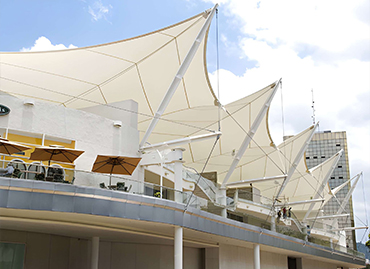
From sustainability and low maintenance to architectural freedom and superior climate performance, PTFE and ETFE membranes are shaping the future of modern shade structures. Their heat resistance, flexibility, and longevity make them the perfect choice for demanding environments—especially in regions with extreme temperatures.